

Nothing to Celebrate About Bangladesh Getting Tariffs Reduced by 15%
Machine-translated from Bangla. মূল খবর বাংলায় পড়ুন
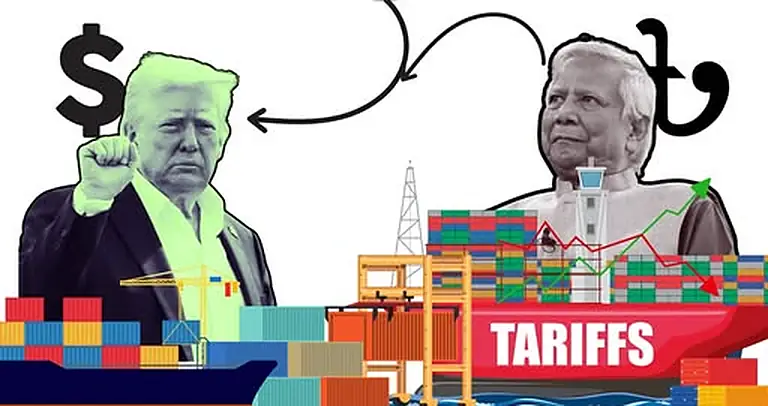
The United States has reduced the retaliatory tariff on Bangladeshi goods from 35% to 20%, a reduction of 15 percentage points, which takes effect today, August 1, 2025. As a result, goods will have to be exported to the US by paying a total tariff of 35%, combining an average 15% tariff and a 20% retaliatory tariff. This reduction did not come about automatically; in exchange, some confidential and published, sensitive and expensive concessions had to be made.
While bringing short-term benefits for exporters, the confidential conditions of the non-disclosure agreement and internal decisions have raised serious questions about Bangladesh's economic independence and national interests. A case has been filed under the Official Secrets Act against Mukitul Hasan, second secretary of the National Board of Revenue (NBR), on charges of leaking the draft agreement. This published leaked document has brought the public's right to know to the forefront.
According to the leaked document, the US wants interference in Bangladesh's tax policy, security, and digital commerce, apart from tariffs. The conditions include increasing imports of US goods, limiting Chinese technology, amending the Cyber Security Act, and joining 13 intellectual property agreements. Commitments have been made to reduce tariff and non-tariff barriers on US pharmaceuticals, agricultural products, motor vehicles, and medical devices.
Moreover, demands have emerged for 100% foreign ownership in oil, gas, insurance, and telecommunications, where local ownership is mandatory in Bangladesh at 60-70% in telecommunications and in insurance. To reduce the 6 billion dollar trade deficit, Bangladesh has contracted to import 700,000 tonnes of wheat (Tk 1,850-2,600 crore) and an additional 220,000 tonnes (Tk 580-820 crore) annually, along with pledging to increase imports of cotton, LNG, and military equipment. Since the full details of the agreement have not been published, many conditions remain unknown.
Potential risks include national security risks, pressure on economic independence, and damage to local industries. The US has demanded that its ownership and profit repatriation be facilitated, but the freezing of funds of companies like MetLife and Chevron during the coronavirus crisis signals a warning for the future. Consequently, these conditions will forcibly pose risks to national interests.
In exchange for the tariff reduction, Biman Bangladesh Airlines has announced it will purchase 25 aircraft (ten 787-9s, fifteen 737 MAXs) from Boeing, with a catalog price of approximately 4.74 billion dollars (~Tk 50,000 crore). Biman's current fleet consists of 21 aircraft, with an average load factor of 65-70%, meaning 30-35% (one-third) of the seats remain empty. Shortages of pilots, crew, maintenance, and infrastructure have made operating new aircraft challenging. The repayment of the 1.5 billion dollar loan for 10 Boeings purchased in 2008-14 is still ongoing.
New loans will place pressure on Biman's financial capacity. Although the government claims the tariff reduction is a 'diplomatic victory', it is part of the broader US regional strategy. The US has reduced tariffs for China from 125-145% to 30%, Vietnam from 46% to 20%, Cambodia from 36-49% to 19%, and Bangladesh from 35% to 20%. Although the reduction for Bangladesh is 15 percentage points, the tariff cuts for China and Cambodia were larger.
This is a strategy to create a 'level playing field' in Asia, which shifts China-centric production and gives Vietnam, Cambodia, and Bangladesh equal opportunities. Therefore, claiming this as an exceptional achievement is exaggerated and reveals a lack of realistic analysis. There is nothing to celebrate about this. While tariffs have decreased on one hand, certain decisions by the interim government will create challenges in import and export. A 40% increase in tariffs at Chittagong port will increase the port's annual revenue by Tk 1,500 crore.
A 30-100% increase in tariffs at private container depots (from September 1, 2025) will invite an additional cost of Tk 300 crore per year. However, this tariff hike will increase export costs and reduce Bangladesh's competitiveness, eating into the results of the tariff reduction. While the tariff reduction provides short-term benefits, the secret agreement, expensive imports, and unknown conditions create long-term risks. Prioritizing the public's right to know before punishing whistleblowers is imperative.
The government should reconsider expensive decisions including the hike in port tariffs, ensure transparency by publishing the details of the agreement, and adopt responsible policies to protect national interests.
This story first appeared on the Prantik News Facebook page.